How Advanced Drone Technology Is Creating Smarter Business Opportunities
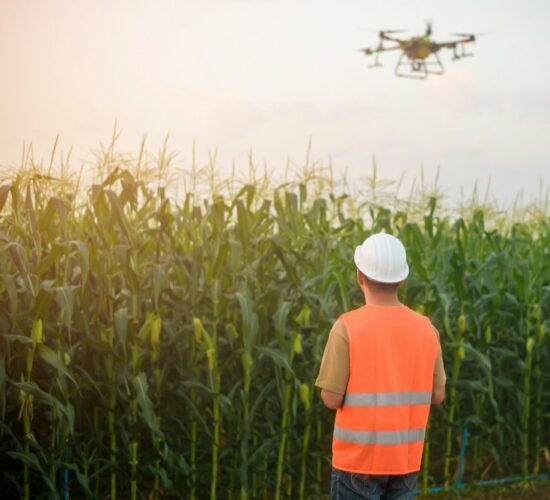
Modern businesses constantly search for better ways to improve productivity, reduce operating expenses, and manage daily activities. Today, next-generation drones are helping companies achieve these goals through advanced aerial technology. These aircraft can capture detailed images, monitor large properties, and collect valuable information. Furthermore, improvements in navigation systems, cameras, and automation have made commercial drones more practical for everyday business applications. Companies across different industries now recognize their potential to simplify operations and support better decision-making. As technology develops, drones are becoming important tools for businesses that want to remain efficient and competitive.
Additionally, drone technology offers flexibility that traditional equipment cannot always provide. Businesses can use aerial systems to inspect difficult locations, monitor construction projects, and examine agricultural fields. For example, a property management company can use drones to inspect rooftops without arranging extensive access equipment. Similarly, industrial operators can collect aerial information before sending employees into challenging environments. As a result, organizations can save time and focus their resources on activities that require direct human involvement. These advantages encourage businesses of different sizes to explore practical drone applications.
Improving Business Efficiency Through Smart Automation
Automation is one of the most useful features of modern drone technology. Advanced aircraft can follow planned flight routes and complete selected tasks with limited direct pilot control. Consequently, businesses can perform recurring inspections and collect information more consistently. For example, construction companies may schedule drone flights to capture images of active projects at regular intervals. Moreover, automated systems help operators maintain similar flight paths during repeated missions. This consistency allows managers to compare information and recognize changes more easily. By simplifying routine activities, drones help organizations improve efficiency without sacrificing important operational details.
Furthermore, automated drone operations allow employees to focus on more valuable responsibilities. Instead of manually examining every section of a large facility, teams can review aerial photographs and identify locations that need attention. Businesses can also connect drone information with digital management systems to organize inspection records. As a result, communication between departments becomes more efficient. However, automation still requires careful planning, trained operators, and proper safety procedures. Companies that combine intelligent equipment with human expertise can develop more dependable workflows and improve overall business performance.
Transforming Construction and Infrastructure Management
Construction companies increasingly use drone technology to improve project planning and monitor development activities. Aerial cameras capture detailed photographs that help managers understand site conditions and evaluate progress. Additionally, mapping software can transform collected images into useful visual models. Engineers can compare these models with construction plans and identify potential concerns. For example, regular aerial surveys may help project teams monitor earthmoving activities and evaluate changes across large sites. These capabilities support clearer communication between contractors, engineers, and project supervisors. Consequently, businesses can make informed decisions and coordinate construction activities more effectively.
Moreover, drones offer practical benefits for infrastructure inspections. Bridges, communication towers, rooftops, and industrial structures often require specialized equipment for detailed examinations. However, aerial systems allow professionals to capture images without accessing every difficult location directly. Maintenance teams can review the photographs and investigate visible damage before arranging physical inspections. As a result, organizations may reduce certain workplace risks and unnecessary inspection expenses. Although drones cannot replace every traditional inspection method, they provide valuable supporting information. This approach helps companies maintain infrastructure while managing time and resources more efficiently.
Supporting Agriculture With Better Aerial Information
Agricultural businesses are discovering new opportunities through advanced drone technology. Farmers can use specialized aerial cameras to observe crop conditions and monitor large farming areas. For instance, multispectral imaging can reveal variations in plant growth that ordinary photographs may not show clearly. Furthermore, repeated drone surveys allow agricultural professionals to compare field conditions throughout the growing season. This information helps farmers investigate possible irrigation problems and identify areas requiring closer examination. As a result, businesses can make more informed farming decisions while reducing the time needed for routine field monitoring.
Additionally, certain agricultural drones can support targeted spraying activities where local regulations permit their use. Operators can establish flight routes and adjust application plans according to field requirements. Consequently, farmers may reduce unnecessary material use and improve application accuracy under suitable conditions. However, successful results depend on reliable equipment, weather conditions, and proper operating procedures. Agricultural professionals must also combine aerial observations with direct field inspections. By using drone technology responsibly, farming businesses can improve resource management and support more efficient agricultural practices.
Strengthening Workplace Safety and Industrial Inspections
Workplace safety remains a major concern for businesses that operate complex industrial facilities. Employees sometimes need to inspect tall structures, electrical equipment, and difficult terrain. However, drones can collect visual information while allowing workers to remain at safer distances. For example, energy companies may use aerial cameras to examine wind turbines, power lines, and solar installations. Furthermore, thermal imaging equipment can help technicians identify unusual temperature patterns that require investigation. These capabilities support safer inspection planning and reduce unnecessary exposure to potentially hazardous environments.
Moreover, drone inspections help organizations maintain detailed records of equipment conditions. Maintenance teams can compare photographs from different flights and identify visible changes over time. For instance, utility providers may use aerial surveys to assess infrastructure after severe weather. Consequently, technicians can prioritize repairs and organize resources more effectively. Better access to inspection information can also help businesses reduce unexpected operational interruptions. Although employees must still verify important findings, drones provide useful information that strengthens maintenance planning and supports safer industrial operations.
Additional Information
- Blog
- commercial drones, construction plans, solar installations
- Roman Vinfield